Norwich VT Country Home Pricing for Rural Sellers
Alan J. DiStasio | April 23, 2026
Real Estate Guidance
Alan J. DiStasio | April 23, 2026
Real Estate Guidance
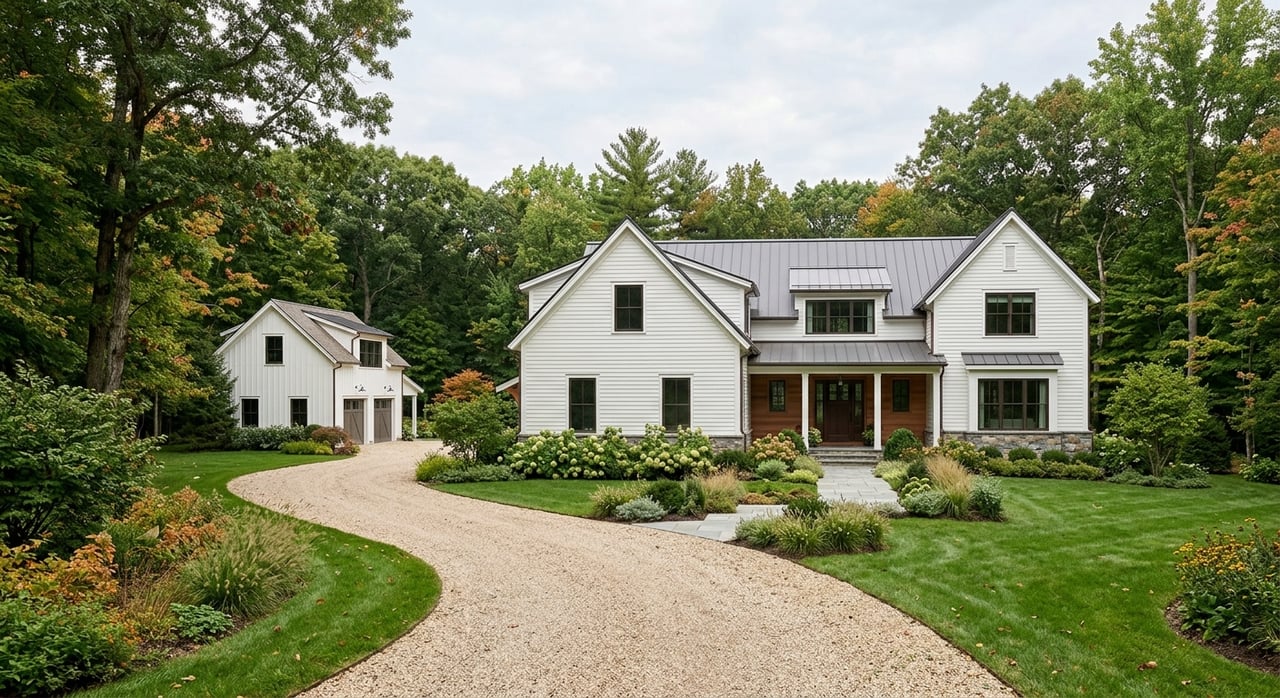
If you own a country property in Norwich, pricing it can feel harder than it should. A farmhouse on acreage, a home with a barn, or a property with long views does not fit neatly into a standard price-per-square-foot formula. The good news is that with the right local lens, you can price more confidently and position your home to attract serious buyers. Let’s dive in.
Norwich is not a typical suburban market, and that matters when you set a list price. According to the Norwich Town Plan, the town is largely rural in character, with compact village clusters surrounded by open land, and less than 10% of the town is developed. Most homes are detached single-family residences, and the town’s housing story is closely tied to nearby Hanover, Dartmouth College, and Dartmouth-Hitchcock Medical Center.
That setting creates a smaller and more specialized buyer pool. Instead of comparing your property to broad county averages, buyers and appraisers will usually focus on the most similar rural sales available. In a market with relatively few active listings, that means pricing has to be more precise.
Public data underscores that point. Realtor.com’s Norwich market page showed just 14 active listings as of March 2026, while Zillow’s Norwich home value index was $748,803 as of February 28, 2026. That is useful context, but it still does not replace true comparable sales for a distinctive country property.
When buyers look at a country property in Norwich, they are not just buying a house. They are evaluating the full package, including the land, systems, privacy, access, and long-term usability.
More land does not automatically mean a higher price. In Norwich, acreage tends to have value when it supports privacy, protects views, offers usable outdoor space, or preserves the rural setting buyers want. Features like fields, stone walls, ridgelines, hedgerows, and quiet surroundings can influence value, but only when the market actually responds to them.
That is why two homes with similar acreage can price very differently. A parcel with practical access and usable land may attract stronger interest than one with steep terrain or limited functionality.
Barns, workshops, sheds, and other detached buildings can add appeal, but they do not always add value in a simple way. Fannie Mae appraisal guidance notes that outbuildings require special review, and their contribution depends on local market norms and actual utility.
A small barn or stable may fit naturally in a rural residential setting. Larger agricultural-style structures, however, can affect how a property is viewed by appraisers and lenders. Finished areas in detached structures also need to be considered separately rather than blended into the home’s main square footage.
Energy performance matters to many buyers, especially in a northern climate. Fannie Mae says special energy-saving features should be recognized in appraisal analysis, but not with a simple dollar-for-dollar formula. The value depends on how buyers in the market react to those features.
That market reaction appears to be growing. ENERGY STAR research referenced in the report notes that energy-efficient homes have shown sale and resale premiums in many markets, while the National Association of Realtors 2025 sustainability survey found rising client interest in efficiency, especially for windows, doors, and siding. If you have upgrades, documentation helps turn those improvements into a stronger pricing case.
For Norwich country homes, site systems can be just as important as finishes and square footage. The town has no municipal wastewater system, and the Norwich Town Plan explains that homes rely on soil-based septic systems. It also notes that many local soils are not well suited to conventional systems, which can increase installation or replacement costs.
Water matters too. Outside the Norwich Fire District, many properties depend on on-site wells or small regulated systems. When buyers assess value, they often look closely at the age, capacity, condition, and documentation of these systems.
A classic older farmhouse can compete very well in Norwich if it has been maintained properly. Fannie Mae’s guidance makes clear that effective age is based on condition and upkeep, not just the year a home was built. That means a well-cared-for older home with updated systems may perform better than a newer property that lacks the same level of maintenance.
Strong pricing starts with the right data, not just the most convenient data. For a Norwich country property, these are the numbers and records that usually matter most.
The best comparable sales are usually the ones that match the full property profile, not just bedroom count or finished area. Ideally, comps should reflect similar acreage use, privacy, access, outbuildings, well and septic setup, and overall appeal. Fannie Mae emphasizes using the most similar sales available and supporting adjustments with market evidence.
In a place like Norwich, this often means looking beyond simple in-town comparisons. A country home with land and accessory structures may need a much more tailored set of comps.
Pricing should also reflect market pace. According to Redfin’s Windsor County market data, the county median sale price was $476,250 in March 2026, homes spent about 90 days on market, and the average sale-to-list ratio was 95.2%. Zillow’s county-level data in the research report showed 52 days to pending and a 0.965 median sale-to-list ratio.
Those numbers suggest an active market, but not one where every listing can stretch far past proven value. If your property is highly unique, pricing too aggressively may narrow the buyer pool and extend time on market.
In rural markets, legal details can shape value quickly. The Norwich Town Plan highlights the importance of preserving ridgelines, open space, and the town’s rural development pattern. Because of that, records related to easements, road agreements, setbacks, permits, additions, barns, accessory dwelling units, and site work can all matter when pricing and marketing a property.
Clean documentation reduces uncertainty. That can make a meaningful difference for selective buyers, especially in the higher end of the market.
A strong pricing package should include:
These details help buyers and appraisers understand what they are looking at. They also support the case that your home offers value beyond surface-level presentation.
Today’s buyer pool is often more selective than many sellers expect. The NAR 2025 Profile of Home Buyers and Sellers found that first-time buyers represented just 21% of the market, all-cash purchases averaged 26%, the median down payment reached 19%, and the typical seller had owned their home for 11 years.
For a Norwich country property, that often means your likely buyer is financially strong, but also careful and evidence-driven. They may be willing to pay for quality, privacy, and setting, yet they are also likely to expect clear records, realistic pricing, and a strong explanation for value.
Location still plays a practical role as well. The NAR sustainability report found that buyers continue to care about proximity to frequently visited places, commute time, and highway access. In Norwich, rural appeal is often paired with access to Hanover, Dartmouth, and DHMC. That connection matters, especially as nearby Hanover remains a high-priced market, with Redfin reporting a March 2026 median sale price of $1.8 million.
Even strong properties can lose momentum if they enter the market with the wrong pricing strategy. Here are a few common mistakes sellers should watch for.
Land matters, but buyers usually pay for usable benefits, not just raw acreage totals. Privacy, views, open fields, and practical use tend to matter more than the number on the survey alone.
A barn or workshop may have real appeal, but cost does not always equal market value. Buyers and appraisers consider utility, condition, and financing implications, not just replacement cost.
County-level stats provide background, not a final answer. Norwich properties often need hyper-local analysis because the market is smaller, more varied, and more influenced by the town’s connection to Hanover.
When sellers cannot produce septic records, well details, permit history, or upgrade information, buyers may assign more risk to the property. That can weaken your pricing position, even if the home shows beautifully.
A thoughtful pricing strategy usually starts by looking at the property the way a careful buyer and appraiser would. That means reviewing the home itself, the land’s actual utility, the outbuildings, the systems, and the commute narrative. It also means weighing how your property compares to the small number of truly similar sales available.
In Norwich, pricing is rarely about finding a neat formula. It is about building a credible value story that stands up to scrutiny and makes sense in a thin, high-expectation market. When that story is backed by local knowledge, strong documentation, and a realistic reading of buyer demand, sellers are in a better position to launch well and negotiate from strength.
If you are thinking about selling and want a pricing strategy grounded in the realities of the Upper Valley, Alan DiStasio can help you assess your property with the kind of local, consultative perspective that country homes require.
Stay up to date on the latest real estate trends.
September 10, 2026
September 3, 2026
August 27, 2026
August 6, 2026
Life In The Upper Valley
August 6, 2026
Life In The Upper Valley
July 23, 2026
Market Intelligence
July 16, 2026
July 9, 2026
Real Estate Guidance
July 2, 2026
Get assistance in determining current property value, crafting a competitive offer, writing and negotiating a contract, and much more. Contact me today.