Inside the Hanover NH Luxury Real Estate Market
February 5, 2026
February 5, 2026
Are you thinking about selling a high‑value home in Hanover or planning a confident purchase at the top of the market? You want clarity on what counts as luxury, how demand works here, and what steps actually move the needle. In this guide, you’ll learn how luxury is defined in Hanover, who the most likely buyers are, and how to position your property or offer for the best result. Let’s dive in.
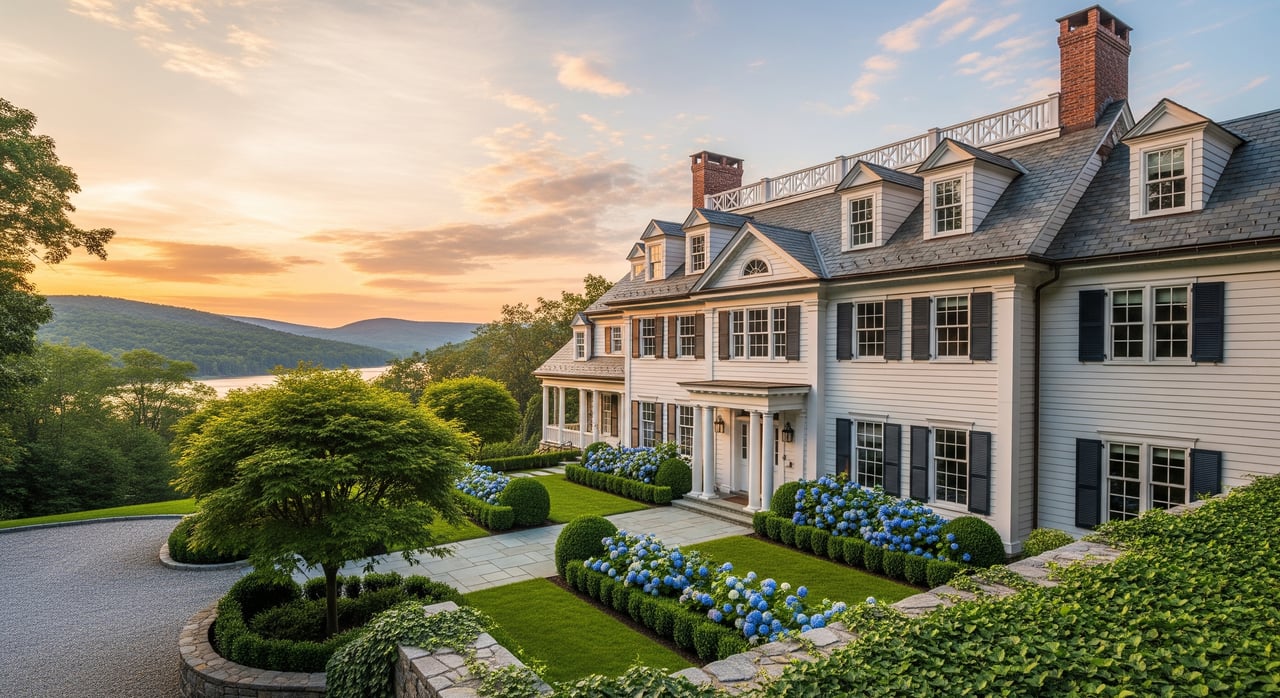
Luxury is market‑relative. In Hanover, a practical way to define it blends price and features. Many local professionals view the top 5 to 10 percent of sales as luxury, which often translates to homes priced around $1 million and above. Features matter just as much as price, especially large or private lots, river frontage, architect‑designed or historic homes, and high‑end systems and finishes.
You’ll also see a distinction for properties above roughly $1.5 to $2 million. These listings typically receive more bespoke marketing, deeper feature sets, and a more targeted outreach plan. With a small market like Hanover, it’s smart to confirm where a property falls in the local percentile using recent MLS data.
If you are preparing to sell, consider both the percentile and the features of your home. If you’re buying, use the same lens to understand value and potential competition.
Hanover’s upper‑tier market is shaped by strong local demand anchors. Dartmouth College and Dartmouth‑Hitchcock Medical Center bring steady interest from faculty, medical professionals, administrators, and their families. The compact downtown, cultural venues, and access to outdoor recreation add to the appeal for higher‑end buyers.
Geography also plays a big role. There is limited developable land within town limits, and the most desirable sites are scarce. Properties with river frontage, long views, or meaningful privacy are limited, which supports values when these homes come to market.
You should expect inventory to be tight relative to entry‑level homes. Higher financing costs have cooled some activity at times, yet buyers adapt and activity resumes when rates improve or when the right property surfaces. Because the number of luxury sales each year is small, year‑to‑year statistics can swing, so it helps to rely on recent MLS comps and rolling 12‑month figures.
Hanover’s luxury market serves several distinct buyer groups. Each group has its own timing, financing habits, and location priorities.
Faculty, administrators, visiting scholars, and alumni families are common buyers. They value proximity to campus, a walkable town center, and a sense of community. Many plan for long‑term ownership and prioritize lifestyle.
Physicians and senior clinical staff are frequent upper‑tier buyers. Some arrive with relocation support and strong financial profiles. Convenience to the medical center and quick occupancy timelines are common themes.
Buyers from Boston, New York, and other metro areas often seek a small‑town lifestyle with strong cultural options. Many appreciate New Hampshire’s lack of broad‑based income and sales taxes. Remote or hybrid work has made this group more active.
These buyers look for a New England retreat with easy access to culture and the outdoors. Guest spaces, flexible layouts, and privacy tend to rank high. Event‑driven visits and seasonal use can influence timing.
Some sales keep properties in the local community. Multi‑generational families and local wealth owners often value continuity and legacy. Quality, privacy, and lot characteristics guide their choices.
Use a percentile and features approach with recent MLS solds to see where your property sits among top sales. When inventory is thin, it’s appropriate to include nearby towns like Norwich, Lyme, Lebanon, and the Hanover outskirts in your comp set. Be data‑driven and avoid the temptation to overreach; overpricing can increase days on market and reduce momentum.
Small, targeted updates can raise buyer confidence and perceived value.
High‑end buyers expect standout presentation. Use professional interior and exterior photography, drone imagery for acreage and views, and twilight shots for ambiance. Provide floor plans with accurate room dimensions and offer 3‑D tours or video walk‑throughs for out‑of‑town buyers. Targeted outreach can include Dartmouth and DHMC channels, alumni networks, and select feeder markets.
With Alan’s affiliation at Williamson Group Sotheby’s International Realty, you benefit from neighborhood‑level expertise paired with global marketing reach. That combination helps your property reach qualified local and out‑of‑area buyers.
Prepare a clear packet so serious buyers can move fast.
Competing in Hanover’s luxury tier often comes down to clarity and preparation. Give yourself an edge with these steps:
High‑value homes in this region often come with property‑specific considerations. Plan for the following:
Luxury appraisals can be challenging when comps are scarce. Lenders may look to a broader geographic area and will value detailed documentation of recent upgrades and the cost to reproduce unique elements. Many DHMC and out‑of‑state buyers use cash or large down payments, which can shorten timelines. Buyers in medical or academic fields may benefit from lenders that specialize in jumbo or profession‑specific programs.
The academic calendar can shape demand in Hanover. Activity often clusters around the spring market and again in late summer as families and new hires make housing decisions. That said, the right home can sell at any time of year. Tailor your timing to your goals and the most likely buyer pool for your property.
Hanover’s luxury market rewards preparation and precision. Define luxury using both price and features, understand who is most likely to buy your home, and plan for targeted presentation and due diligence. If you are buying, line up financing, focus on the lot and features that matter most, and be ready to act when the right property appears.
If you want a clear, data‑informed plan for your sale or purchase, connect with Alan DiStasio for a complimentary market assessment and tailored strategy.
Stay up to date on the latest real estate trends.
August 6, 2026
Life In The Upper Valley
August 6, 2026
Life In The Upper Valley
July 23, 2026
Market Intelligence
July 16, 2026
July 9, 2026
Real Estate Guidance
July 2, 2026
Life In The Upper Valley
June 25, 2026
Real Estate Guidance
June 18, 2026

Real Estate Guidance
June 11, 2026
Get assistance in determining current property value, crafting a competitive offer, writing and negotiating a contract, and much more. Contact me today.