Buying And Stewarding A Historic Home In Orford
April 2, 2026
Real Estate Guidance
April 2, 2026
Real Estate Guidance
Thinking about buying a historic home in Orford? You are not just purchasing a house. You are stepping into the care of a property that may be part of one of New Hampshire’s most recognized historic streetscapes. If you want to understand what makes these homes special, what to verify before you make changes, and how to budget for responsible ownership, this guide will help you move forward with confidence. Let’s dive in.
Orford’s historic identity is closely tied to the homes along Orford Street and the Ridge. The Orford Street Historic District was listed on the National Register of Historic Places in 1977 and stretches roughly half a mile along both sides of Orford Street, also known as Route 10.
What makes this setting especially memorable is not just the age of the homes. The National Register nomination highlights the seven Ridge houses placed on elevated ground above the road and the Mall, creating a composed and highly visible streetscape from the public way. In practical terms, features like rooflines, window spacing, entry details, and cornices all matter because they contribute to the district’s overall character.
If you are researching these properties, the safest way to describe them is as late-18th- and early-19th-century Federal-era houses. Published sources vary somewhat on exact date ranges, but that broad description is well supported by the historic record in the National Register documentation.
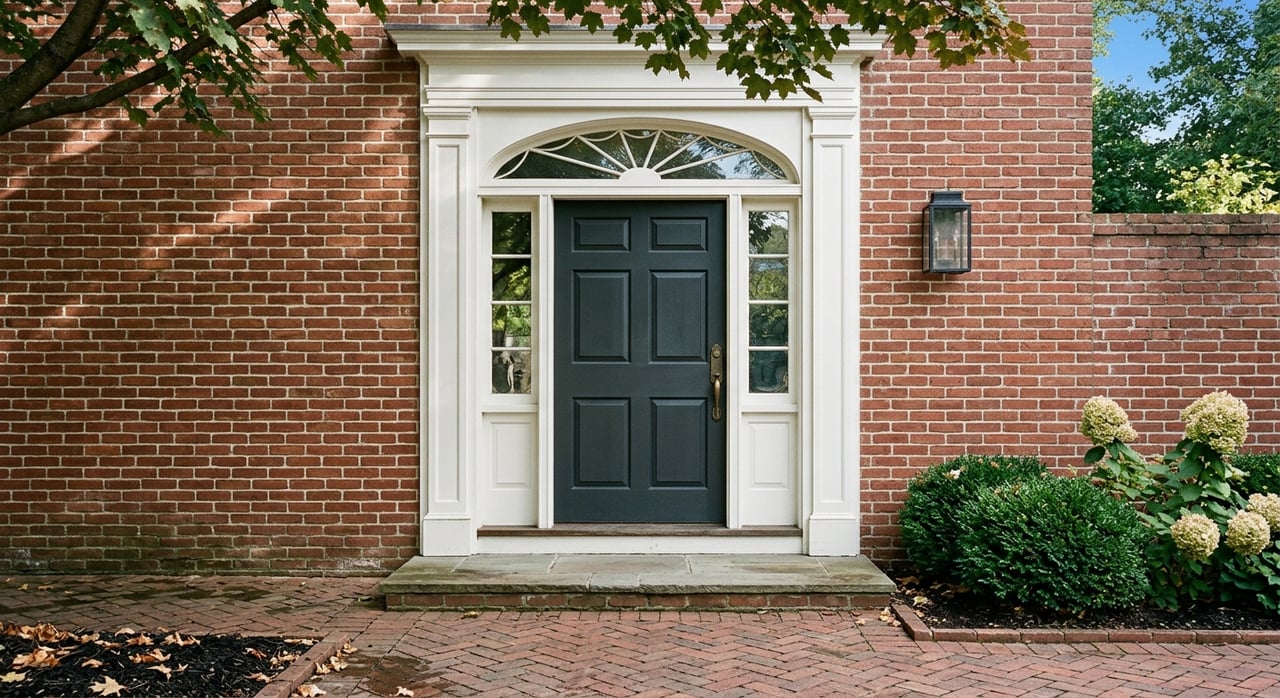
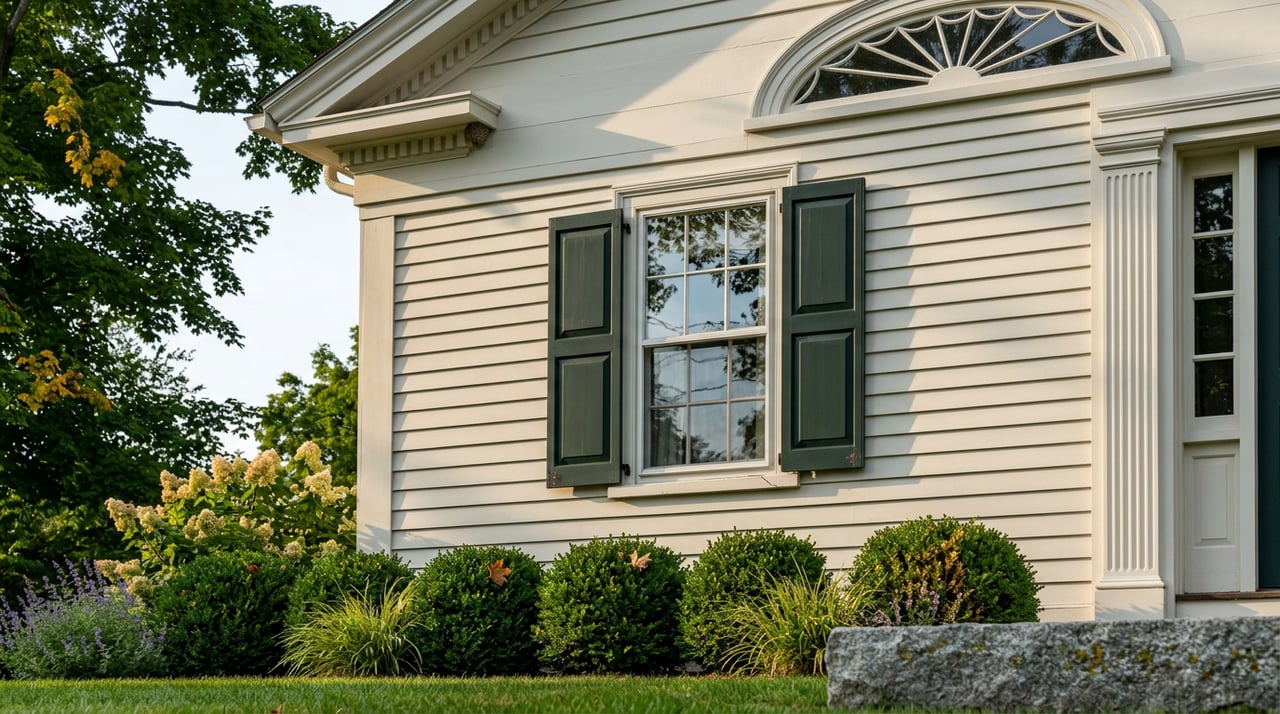
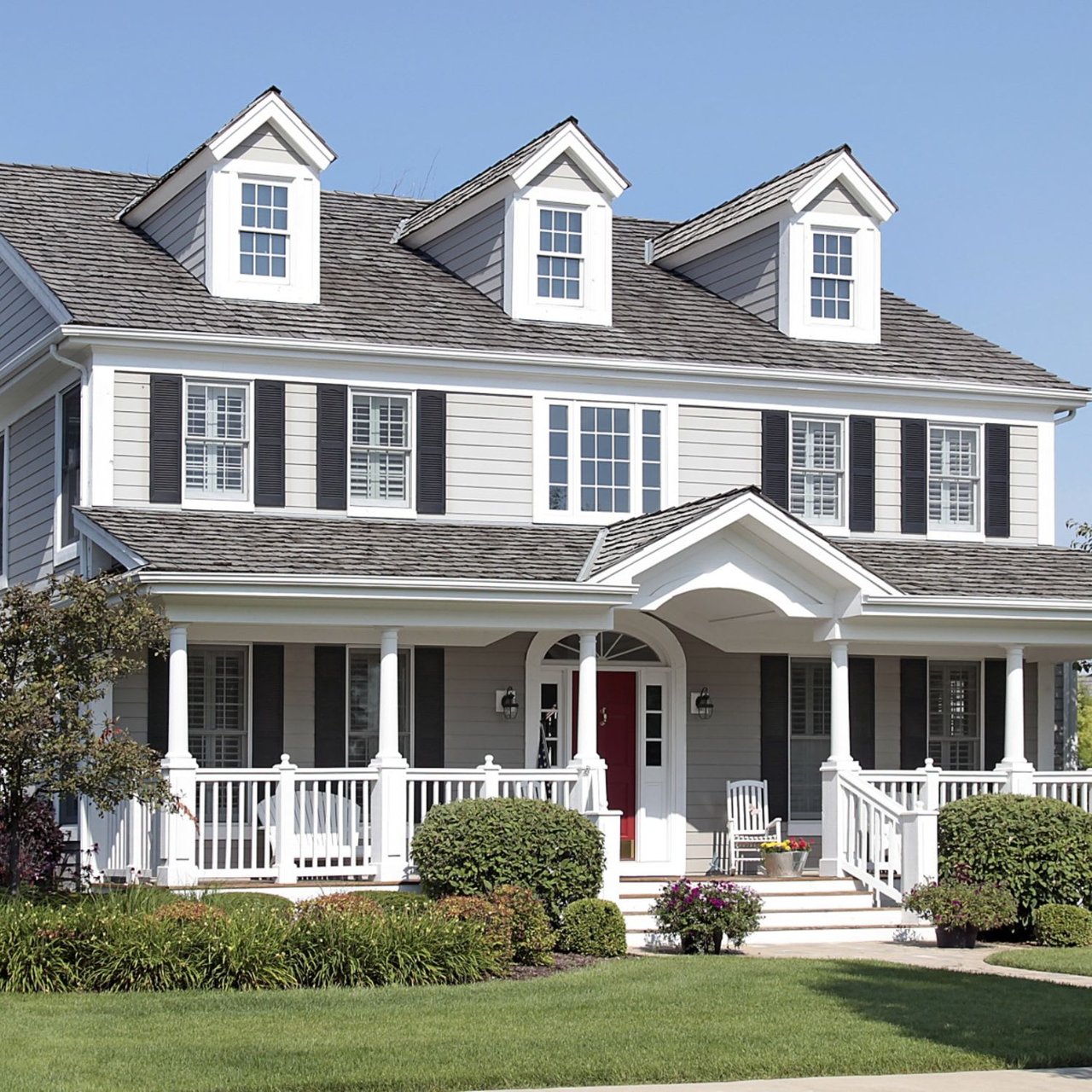
Federal-style houses are known for restraint, balance, and symmetry. According to Historic New England’s architectural style guide, these homes often have a simple rectangular form, side-gabled or low-hipped roofs, double-hung sash windows, refined entrance surrounds, fanlights, louvered shutters, and understated classical ornament.
In northern New England, many examples are wood-frame homes with clapboard siding. Interiors may also include elegant trim and, in some cases, rounded or elliptical spaces. When you walk through Orford’s historic core, those details help explain why these homes feel both formal and graceful.
For a buyer, this matters because the value of a historic home is often tied to more than square footage or finishes. Original proportions, materials, and visible exterior details can play a major role in preserving the home’s architectural integrity and long-term appeal.
One of the biggest misunderstandings about historic homes is the assumption that any historic designation automatically limits what you can do. In reality, the most important question is what specific restriction, if any, is attached to the property.
Under New Hampshire law governing local historic districts, municipalities may create local historic districts and authorize commissions to regulate construction, alteration, repair, moving, demolition, or use within those districts. The same law also states that ordinary maintenance or repair is not prohibited, and it requires a commission to file approval or disapproval within 45 days after an application is filed.
That is different from honorary recognition. The New Hampshire State Register statute makes clear that listing itself does not prohibit actions an owner may otherwise take with respect to the property. So if a home is simply recognized on a register, that alone may not create a design-review process.
Before closing on a historic home in Orford, make sure you confirm:
A useful example is the Rogers House, one of Orford’s Ridge houses. The New Hampshire Preservation Alliance and Valley News reported that the property had a preservation easement tied to restoration and ongoing monitoring. That is a good reminder that private agreements, not just public designation, can shape ownership responsibilities.
Buying a historic home in Orford calls for a stewardship mindset. Instead of thinking in terms of one large cosmetic update, it often makes more sense to plan for recurring maintenance, careful repairs, and selective improvements that respect the home’s historic fabric.
The National Park Service emphasizes ongoing maintenance and repair over extensive replacement whenever possible. For you as a buyer, that means budgeting for preservation as a long-term practice rather than a one-time project.
Moisture is one of the most important issues to manage in an older home. The National Park Service recommends keeping gutters and downspouts in good repair, inspecting the roof at least annually, fixing flashing issues, trimming vegetation away from the house, and avoiding waterproof coatings on above-ground masonry because they can trap moisture within the wall system.
Before you take on any cosmetic work, inspect the roof, drainage, gutters, downspouts, flashing, and grading around the house. A beautiful historic exterior can hide water intrusion that becomes expensive if it goes unaddressed.
If the property includes brick or masonry elements, look closely for cracking, spalling, bulging, leaning, or failing mortar. The National Park Service notes that freeze-thaw cycles, changes in moisture, foundation movement, and roof-related structural stress can all contribute to masonry deterioration.
If repointing is needed, matching the historic mortar matters. The NPS masonry guidance advises that replacement mortar should match the historic material in color, hardness, permeability, width, and tooling, and that this work is best handled by someone familiar with historic masonry methods.
Windows often have an outsized impact on the look of a Federal-style home. The National Park Service guidance on historic windows says repair should be the first option. If replacement is truly necessary, the new units should match the original as closely as possible in design, color, texture, and materials.
That guidance also notes that storm windows and weatherstripping can improve performance without sacrificing historic character. If you are weighing comfort, efficiency, and appearance, this can be an especially useful middle path.
Older homes can come with hidden hazards, and it is wise to understand them before renovation begins. The EPA notes that the older the home, the more likely it contains lead-based paint, and specifically states that 87% of homes built before 1940 have some lead-based paint.
For most pre-1978 housing, buyers have the right to know whether lead hazards are present before signing a contract. The EPA’s Renovation, Repair and Painting Rule also applies to paid work that disturbs lead-based paint in pre-1978 homes.
Asbestos is another issue worth evaluating. The Consumer Product Safety Commission notes that asbestos in good condition is often best left undisturbed, but damaged asbestos can release fibers. In older houses, it may appear in insulation, floor tile, pipe wrapping, roofing, siding, or textured finishes.
Some buyers assume a historic home will automatically come with tax incentives for rehabilitation. That is not always the case. According to the National Park Service tax incentive rules, owner-occupied residential properties do not qualify for the federal historic rehabilitation tax credit.
That 20% federal credit applies to income-producing properties such as commercial buildings, rental residential properties, agricultural buildings, or apartments. If you are buying a primary residence, do not build your budget around that federal incentive.
Stewardship becomes easier when you understand the local history around the property. The Orford Historical Society can be a valuable resource because its mission is to preserve Orford history and it offers programs such as walking tours while maintaining photographs, artifacts, letters, and documents.
For some buyers, that context deepens the ownership experience. It can also help you make more informed choices when you are evaluating repairs, researching prior changes, or simply learning what makes your home part of Orford’s larger story.
If you are considering a historic home in Orford, focus on these priorities early:
Owning a historic property in Orford can be deeply rewarding. With the right due diligence, realistic budgeting, and respect for the home’s defining features, you can protect both your investment and a meaningful piece of the Upper Valley’s built heritage.
If you are considering a distinctive home in Orford or elsewhere in the Upper Valley, Alan DiStasio offers thoughtful, consultative guidance grounded in long local experience and a strong understanding of how unique properties should be evaluated, marketed, and stewarded.
Stay up to date on the latest real estate trends.
September 10, 2026
September 3, 2026
August 27, 2026
August 6, 2026
Life In The Upper Valley
August 6, 2026
Life In The Upper Valley
July 23, 2026
Market Intelligence
July 16, 2026
July 9, 2026
Real Estate Guidance
July 2, 2026
Get assistance in determining current property value, crafting a competitive offer, writing and negotiating a contract, and much more. Contact me today.