Norwich vs Hanover: Choosing Your Dartmouth-Area Home
February 19, 2026
February 19, 2026
Choosing between Norwich, VT and Hanover, NH is one of the first big decisions you face with a Dartmouth or DHMC move. The towns sit across the Connecticut River from each other, yet they offer different daily rhythms, tax structures, and housing styles. In a few minutes, you can get a clear, side‑by‑side picture of commutes, schools, costs, neighborhoods, and what life feels like in each. Let’s dive in.
Norwich and Hanover are neighbors. From central Norwich village, you can often reach Dartmouth’s Green in about 5 to 15 minutes by car. From Hanover neighborhoods to DHMC, the drive is commonly about 5 to 12 minutes, depending on origin, parking, and time of day.
If you prefer not to drive, Advance Transit operates fare‑free routes that knit the area together. The Brown Route links Norwich to the Dartmouth campus, and other routes and shuttles connect Hanover and Lebanon to DHMC and its employee lots. Service is popular with students, faculty, and hospital staff for predictable, no‑cost commuting. Check current schedules on the Advance Transit Dartmouth service page.
Hanover’s downtown and campus core are compact and walkable, which makes biking or walking realistic for many. Norwich includes a traditional village and more rural roads; if you live outside the village, you will likely drive to the bridge or to a bus stop. During peak shifts at DHMC or major college events, expect occasional slowdowns and plan your parking strategy.
A unique feature of the Upper Valley is the interstate Dresden/SAU 70 arrangement spanning Norwich and Hanover. Norwich families attend Marion Cross School for elementary grades, then transition to the shared middle and high schools that serve both towns.
Because the public K–12 path beyond elementary is shared, many families choose Norwich for its Vermont village lifestyle while still accessing the same middle and high schools as Hanover residents. If schooling is central to your move, review curricula and current policies on the district sites.
At the state level, the two sides of the river differ in meaningful ways.
Property taxes also vary by town and school budgeting. Hanover publishes its annual tax rate by component and includes sample bill calculations so you can translate an assessed value into an estimated annual tax. Review the details on the Town of Hanover tax page.
Norwich, with higher price points than many Vermont towns, often sees property tax bills in the many‑thousands‑per‑year range for larger homes. Aggregators provide directional estimates for Norwich’s effective taxes, such as this Norwich property tax summary. Final amounts depend on assessed value and annual town and school rates, so verify current figures before you buy.
Practical takeaway: If your household compensation is mostly salary, a Hanover address can reduce state income taxes on wages. If you value Vermont residency and the Norwich lifestyle, paying Vermont income tax may be acceptable within your total cost picture. Always consult a tax advisor to weigh income, property taxes, and any available credits.
Recent marketplace indicators show Hanover’s typical home values trending above Norwich’s. Both towns sit well above broader regional medians and inventory is often thin.
As a planning guide, buyers commonly encounter Norwich single‑family homes starting in the mid to high $600,000s and reaching $1 million or more depending on size, setting, and updates. In Hanover, single‑family prices frequently start higher on average, with many listings at $1 million and above in walkable locations. Verify current medians and active inventory right before you tour.
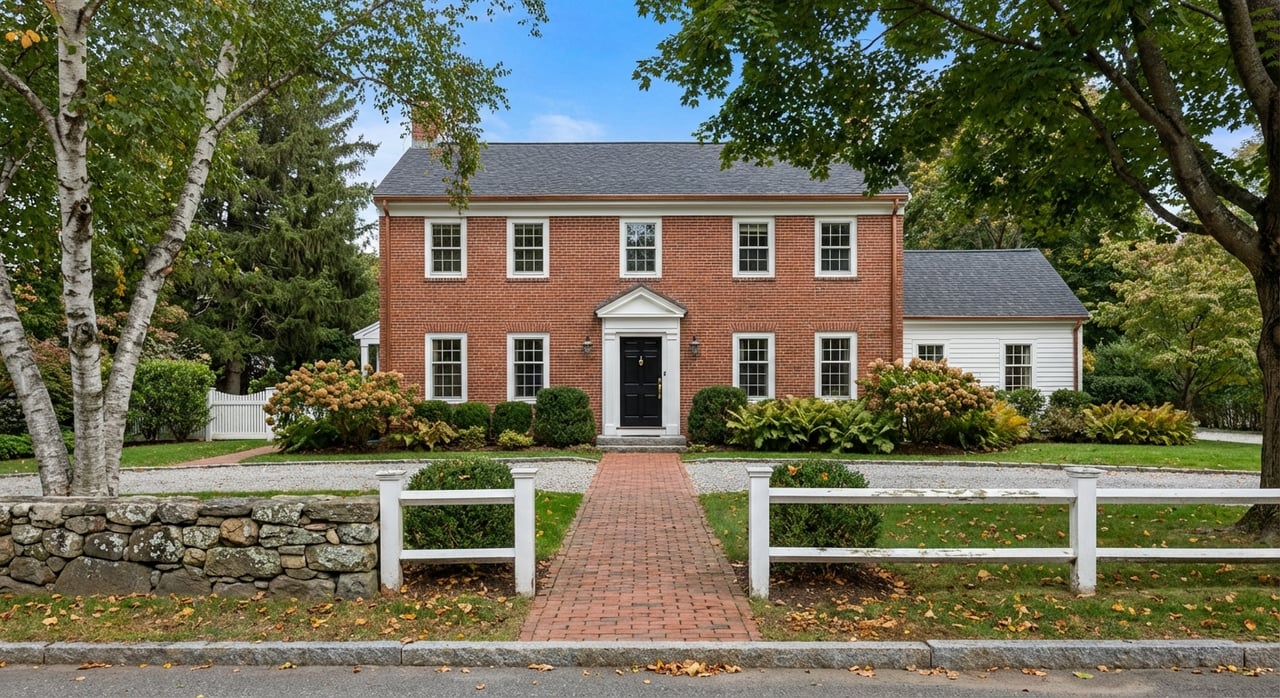
Norwich, VT: A village green, community traditions, and immediate access to trails and conserved land shape daily life. Marion Cross School’s Mayfest is a long‑running local celebration, and the town’s trail network and open spaces make it easy to get outside. Architecturally, Norwich blends historic village streets with mid‑century and contemporary homes in the hills. The Norwich Historical Society offers context for many of these districts.
Hanover, NH: A compact college town with the Dartmouth Green, shops, restaurants, and major cultural venues like the Hopkins Center and Hood Museum. Many errands can be done on foot from in‑town neighborhoods, and campus programming keeps the center active year‑round.
Services and shopping: Larger grocery and retail options cluster in Lebanon and West Lebanon, a short drive from either town. If you prefer a quieter village setting at home with quick access to big‑box stores, both sides work well.
Outdoors: The area offers Appalachian Trail access, local conservation lands such as the Norwich Nature Area, and four‑season river and mountain recreation. Regional trail and route resources like Dirt 251 can help you explore.
Use these prompts to clarify your priorities:
Walk the two village centers, ride an Advance Transit route at commute time, and review each town’s current tax pages before you compare monthly costs. If schools are a driver, call the SAU 70 offices and Marion Cross School to confirm enrollment paths and program details.
When you are ready for curated property options, cross‑state guidance, and a clear offer strategy, connect with Alan DiStasio for local insight anchored in decades of Upper Valley experience.
Stay up to date on the latest real estate trends.
September 10, 2026
September 3, 2026
August 27, 2026
August 6, 2026
Life In The Upper Valley
August 6, 2026
Life In The Upper Valley
July 23, 2026
Market Intelligence
July 16, 2026
July 9, 2026
Real Estate Guidance
July 2, 2026
Get assistance in determining current property value, crafting a competitive offer, writing and negotiating a contract, and much more. Contact me today.