Hanover Neighborhood Comparison: In-Town vs Outlying Areas
June 11, 2026
Real Estate Guidance
June 11, 2026
Real Estate Guidance
Wondering whether life in Hanover will feel better close to Main Street or farther out where the lots are larger and the pace is quieter? It is a common question, especially if you are relocating, moving up, or trying to match your next home to the way you actually live day to day. The good news is that Hanover offers two very different lifestyle patterns, and understanding the tradeoffs can make your search much clearer. Let’s dive in.
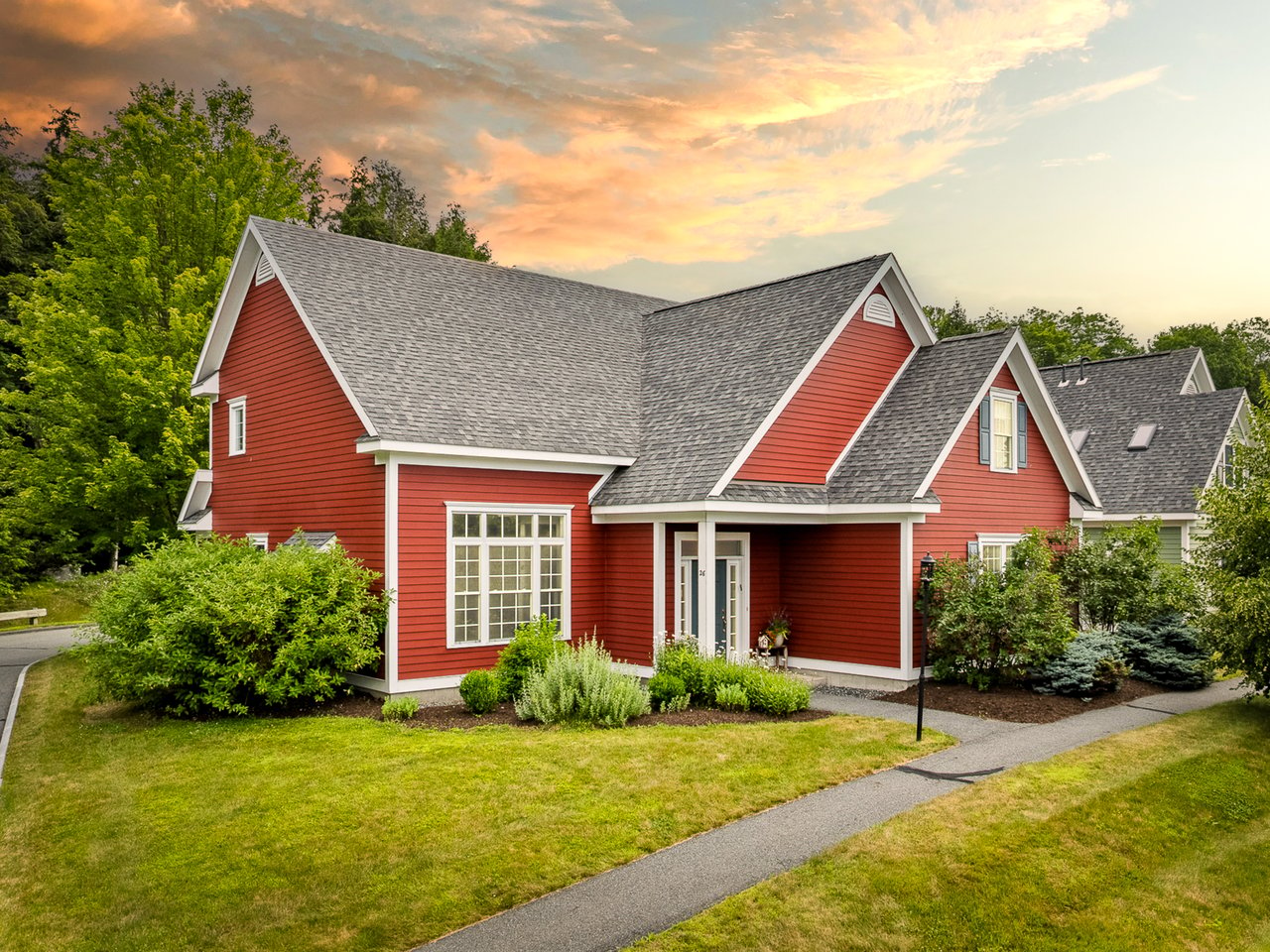
When buyers talk about “in-town” Hanover, they are usually describing the built-up area with sidewalks, town services, and easier access to downtown and Dartmouth-related destinations. Hanover’s zoning supports this pattern through its downtown districts, which are designed for a mix of residential, civic, office, lodging, and commercial uses. In short, the in-town experience is shaped by convenience and shared infrastructure.
Rural Hanover follows a very different planning framework. Rural districts are intended for lower-intensity use, with settings that often rely less on public water and sewer and more on larger land areas, open space, and a quieter environment. If you picture privacy, longer driveways, and a stronger connection to woods, fields, or seasonal recreation, you are likely picturing the outlying side of town.
In-town Hanover tends to appeal to buyers who want to simplify the routine of everyday life. The zoning near downtown is meant to support residential use close to transit, sidewalks, and water and sewer service areas. That can matter a great deal if you want easier access to work, errands, dining, or community destinations.
Housing choices in Hanover are not limited to detached homes. A 2023 housing analysis found that single detached homes make up most of the town’s housing stock at 58%, but attached homes and multifamily buildings are part of the picture too, and some of those categories have grown faster over the past decade. For buyers, that means in-town areas may offer more variety in housing form than many people expect.
If you are Dartmouth-affiliated, in-town locations can be especially practical. Advance Transit provides fare-free service in the Upper Valley, with Hanover stops including Hanover Inn, Dartmouth College, Dartmouth Health, Hanover Co-op, and Hanover High School. Dartmouth also operates a downtown shuttle on weekdays, connecting key parking and campus-adjacent locations.
One of Hanover’s standout features is that outdoor access is not limited to rural settings. The Appalachian Trail crosses through Hanover, running over Ledyard Bridge and down Main Street before continuing toward Goose Pond Road. Other nearby options include the River Trail, Quinn Trail through Mink Brook, Wheelock Trail, and the Indian Ridge network.
If you enjoy fitting a walk or hike into a regular weekday, this matters. In-town Hanover can offer a lifestyle where outdoor and downtown access work together rather than compete. That is a rare combination in a small New England market.
If your priorities center on privacy, land, and a quieter setting, outlying Hanover may be the better fit. The town’s rural districts are intentionally low-intensity and include areas focused on one-family dwellings, forestry, agriculture, conservation, and, in some locations, a seasonal camp or cottage character. That framework shapes the feel of these properties long before you get to the front door.
For many buyers, the attraction is simple: more breathing room. Outlying areas tend to be associated with larger parcels, fewer immediate neighbors, and closer proximity to open space and recreation-oriented landscapes. The tradeoff is that daily errands, transit connections, and walkable access to downtown are usually less direct.
This difference is not just about scenery. Hanover’s planning documents make it clear that the rural edge functions differently from the in-town core and, in most cases, is more car-dependent. If you are comfortable driving for work, shopping, or activities, the extra space may feel well worth it.
Rural Hanover offers a different kind of outdoor experience. Upper Mink Brook Trail on Moose Mountain Road connects to the Moose Mountain trail network, while other areas provide access around Hanover Center, Goose Pond Road, Goodwin Forest, and Wolfeboro Road. The Huntington Hill Wildlife Management Area and Goodwin Forest Bike Loop are two examples that show the range of recreation settings beyond downtown.
For buyers who want nature to be part of the setting, not just an activity, these areas can be compelling. You may give up some convenience, but you gain a landscape that feels more immersive and more removed from the center of town.
Hanover is a small, high-value market by New Hampshire standards. The Census reports a median owner-occupied home value of $824,900 and an owner-occupancy rate of 73.7%. Limited supply has also been a challenge, with the town’s recent planning documents noting that housing production has not kept up with demand.
That supply picture affects both in-town and rural buyers. In-town, the appeal of convenience and mixed housing forms can create strong competition for well-located properties. In outlying areas, the search may focus more on site characteristics such as land, privacy, and access patterns rather than just proximity to downtown.
The town has also reported that short-term rentals and second homes reduce year-round housing supply. At the same time, new density has been appearing in more traditionally rural areas east of downtown. For you as a buyer, that means the line between “town” and “country” is not always as simple as a map might suggest, so each property deserves careful review.
Hanover’s mean travel time to work is 19.5 minutes, which may sound manageable at first glance. But Hanover also serves as a regional employment center, and many people who work in Hanover live elsewhere. That makes parking, shuttle access, and route planning more important than buyers sometimes expect.
If you want the option to walk, use transit, or reduce your reliance on a car, in-town Hanover and nearby service corridors usually make more sense. If your routine is already car-based, or if you value privacy over convenience, the outlying market may be a better match. Neither choice is better in the abstract. It depends on how you want your week to work.
A smart Hanover home search starts with lifestyle questions, not just square footage. The right answer often becomes clearer once you look at how you spend your mornings, evenings, and weekends.
Ask yourself:
If you want convenience, mixed housing options, and closer access to campus or downtown, in-town Hanover is often the better fit. If you want acreage, quiet, and recreation-oriented living, outlying Hanover will likely feel more natural. The town’s zoning, trail network, and transit patterns all support that basic distinction.
What matters most is finding a property that matches the way you live, not just the way a listing is described. In a market as nuanced as Hanover, neighborhood-level guidance can help you focus on the right opportunities and avoid expensive trial and error.
Whether you are relocating to the Upper Valley, searching for a primary home, or considering a second-home purchase, working with an advisor who understands Hanover block by block can make the process far more efficient. If you would like tailored guidance on Hanover neighborhoods, property types, and current opportunities, reach out to Alan DiStasio.
Stay up to date on the latest real estate trends.
September 10, 2026
September 3, 2026
August 27, 2026
August 6, 2026
Life In The Upper Valley
August 6, 2026
Life In The Upper Valley
July 23, 2026
Market Intelligence
July 16, 2026
July 9, 2026
Real Estate Guidance
July 2, 2026
Get assistance in determining current property value, crafting a competitive offer, writing and negotiating a contract, and much more. Contact me today.