Norwich VT Lifestyle Guide: A Day in Village Life
June 25, 2026
Life In The Upper Valley
June 25, 2026
Life In The Upper Valley
Wondering what daily life in Norwich feels like? If you are considering a move to the Upper Valley, Norwich is one of those towns that often stands out for its village scale, outdoor access, and strong local rhythm. A closer look shows how Norwich blends small-town routines with easy connections to Hanover and the wider region. Let’s dive in.
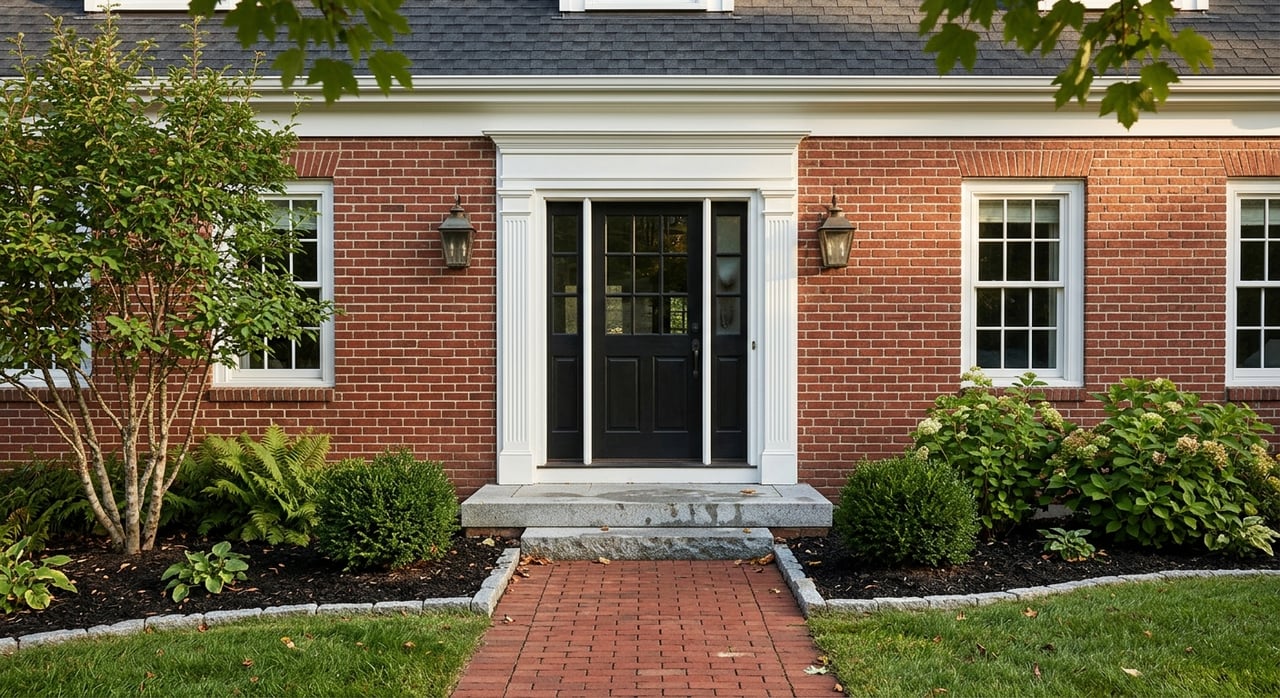
In Norwich, the day often begins with a village-centered routine rather than a long list of in-town commercial stops. Town planning documents describe a historic village core centered on places like Tracy Hall, the Grange Hall, Jones Circle, and the farmers market, with an emphasis on preserving historic scale and improving walkability. That gives everyday life a compact, grounded feel.
Tracy Hall on Main Street is one of the clearest civic anchors in town. It houses the town offices, and the town plan notes that community activity regularly takes place there. For you as a resident, that means errands, meetings, and local logistics often have a familiar Main Street backdrop.
A classic morning stop is King Arthur Baking at 135 US Route 5 South. The café is open daily from 7:30 a.m. to 4:00 p.m., and the store is open from 8:00 a.m. to 5:30 p.m. With breads, pastries, sandwiches, and salads made on site, it fits easily into the rhythm of a weekday or weekend morning.
Dan & Whit’s adds another layer to that daily routine. The Norwich Historical Society notes that the site has housed a general store since 1829. Dan & Whit’s has long been the center of community life in Norwich. That history helps explain why even a simple stop for essentials can feel connected to the town’s broader identity.
One of the most distinctive things about Norwich is that it does not read like a strip-commercial town. The town plan frames the village center as a place where historic character and walkability matter, and that planning approach shapes how the town feels day to day. You notice it in the scale, the pace, and the way familiar destinations cluster around community landmarks.
At the same time, Norwich is not presented as a fully self-contained hub for every need. Town documents make clear that residents often rely on Hanover, Lebanon, and Hartford for employment, retail, or services. In practical terms, you get a village-centered home base with access to a larger regional orbit.
By midday, Norwich’s food culture becomes even more visible. The town has a strong connection to small-scale farming and local food, and the town plan notes a resurgence in rural enterprise alongside its regional ties. That gives the community a lived-in, everyday feel rather than a staged or seasonal one.
The Norwich Farmers Market is a major part of that pattern. NOFA Vermont lists the 2026 outdoor market at 281 Route 5 South, open Saturdays from 9:00 a.m. to 1:00 p.m., running from May 2 through October 31. The market also has a winter season in Tracy Hall, which helps keep that local-food presence active beyond the warmer months.
Farm stands add to the same rhythm. Crossroad Farm says its Norwich farm stand at 163 Route 5 South is open daily from 9:00 a.m. to 6:00 p.m. Honey Field Farm also sells produce, seedlings, flowers, and other farm products from its stand at 55 Butternut Road.
If you picture a typical day here, it is easy to imagine building a midday routine around those stops. You might pick up produce, browse seasonal items, or shape a weekend errand run around the market. In Norwich, local food is not just an occasional amenity. It is part of the town’s weekly cadence.
Norwich has a strong outdoor identity. The Norwich Trails Committee maintains a broad network of trails in cooperation with local and regional partners. Named routes include Parcel 5, Brookmead, Blue Ribbon, Gile Mountain, Bill Ballard, Brown Schoolhouse, Burton Woods, Cossingham, The Appalachian Trail, Hazen, and Bradley Hill.
For many people, Gile Mountain is one of the most recognizable destinations. Norwich Trails describes it as a 290-acre conservation forest with an observation tower about 70 feet tall and a 0.7-mile hiking route to the summit. The sweeping views over the Upper Valley help explain why it remains such a well-known outing.
If you want something more relaxed, the Milton Frye Nature Area offers another option. This 35-acre town-owned area is a place for walks, picnics, cross-country skiing, snowshoeing, and other low-impact recreation, along with occasional community and cultural events. That kind of four-season flexibility is a meaningful part of daily life in Norwich.
What stands out is how accessible these outdoor moments can feel. You do not need to plan an entire weekend around being outside. In Norwich, a short walk, a trail outing, or a quick visit to a nature area can fit naturally into the middle of a regular day.
Norwich offers more cultural depth than many buyers expect from a town of its size. The Montshire Museum of Science, located in Norwich, is open seven days a week from 10:00 a.m. to 5:00 p.m. Set on 110 acres near the Connecticut River, it features more than 150 exhibits and is a major destination in the town’s lifestyle mix.
The Norwich Historical Society also contributes to that cultural layer. Its Lewis House on Main Street is open year-round on Wednesdays and Thursdays from 10:00 a.m. to 1:00 p.m. The organization also offers summer walking tours and winter family history workshops, along with exhibits and programs focused on local history.
Part of living in Norwich is the easy connection to Hanover. Advance Transit says its fare-free Brown Route connects Norwich and Hanover on weekdays, and residents can use the system to reach Hanover and Dartmouth College. The broader route network also connects Norwich with Dartmouth College and Dartmouth Health.
This cross-river connection is not just a bonus. The town plan reinforces that Norwich has long been tied to Hanover and Lebanon, and that many residents depend on those places for work, retail, and services. So while Norwich offers a distinct identity, everyday life often includes a practical regional pattern as well.
If you step back and look at the full picture, Norwich feels like a town of steady routines and meaningful access. You have a historic village center, civic landmarks, local food culture, trail networks, and cultural destinations, all within a setting that prioritizes preserved character and walkability. At the same time, you are closely connected to Hanover and the wider Upper Valley for work, services, and additional amenities.
For buyers, that mix is often the point. Norwich gives you a home base that feels distinctly local yet not isolated. You can start the day with Main Street errands, spend part of the afternoon on a trail, and still move easily through the larger Upper Valley when needed.
If you are considering Norwich as your next move, understand that daily rhythm matters just as much as square footage or lot size. The right home here is also about how you want your days to feel. If you would like guidance on Norwich or the broader Upper Valley market, Alan DiStasio can help you navigate your options with local insight and a thoughtful, consultative approach.
Stay up to date on the latest real estate trends.
September 10, 2026
September 3, 2026
August 27, 2026
August 6, 2026
Life In The Upper Valley
August 6, 2026
Life In The Upper Valley
July 23, 2026
Market Intelligence
July 16, 2026
July 9, 2026
Real Estate Guidance
July 2, 2026
Get assistance in determining current property value, crafting a competitive offer, writing and negotiating a contract, and much more. Contact me today.