Norwich VT Second Home Buying: Key Factors to Review
July 2, 2026
Real Estate Guidance
July 2, 2026
Real Estate Guidance
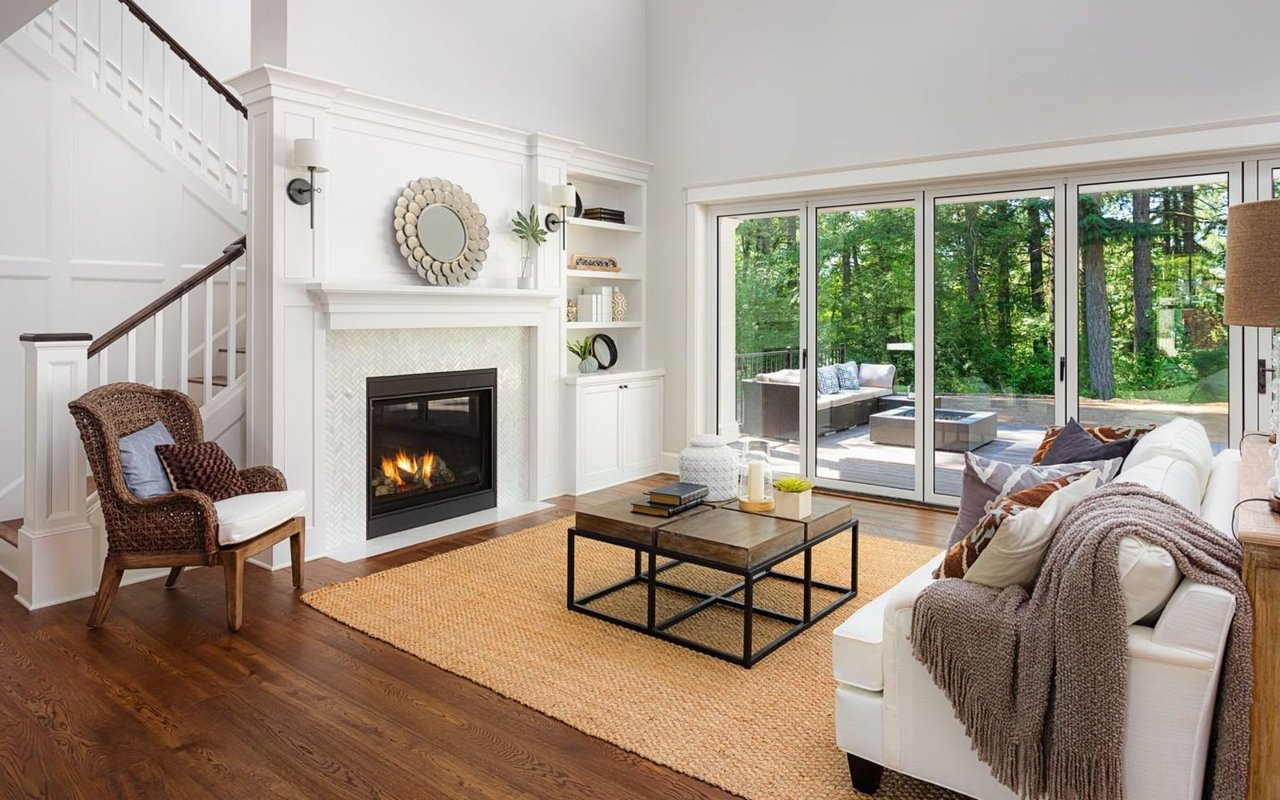
Are you dreaming of a second home that feels like a true getaway while keeping you connected to culture, outdoor recreation, and the wider Upper Valley? Norwich stands out for exactly that reason. If you are considering buying here, it helps to understand not just the lifestyle but also the town planning, utility setup, tax treatment, and ownership details that can shape your decision. Let’s dive in.
Norwich offers a rare mix of village character, protected rural landscapes, and easy access to major Upper Valley destinations. The town’s local resources reflect strong ties to Dartmouth College, Dartmouth-Hitchcock Medical Center, the Hood Museum, Northern Stage, The Hop, and other institutions in the Hanover-Lebanon area. That makes Norwich an attractive option if you want a quieter home base without giving up access to the region’s cultural and institutional anchors.
The town’s 2020 plan also makes its priorities clear. Norwich aims to preserve its rural character and support vibrant village life, with limited future growth in the village due to infrastructure constraints. For you as a buyer, that means the setting people value most is also something the town is actively working to protect.
Outdoor access is another major part of the appeal. Norwich supports a well-known local trail network that includes Gile Mountain, Brookmead, Burton Woods, Bradley Hill, and several other trail areas, along with the Milton Frye Nature Area. If your ideal second home includes hiking, walking, and four-season access to the outdoors, that lifestyle is very much part of the local fabric.
The historic village is often the easiest starting point for part-time buyers. This area offers walkability, municipal water in parts of the village, and a compact setting that aligns with the town’s long-term planning goals. The village planning area includes the historic center as well as nearby reference points such as Huntley Meadow, Moore Lane Bridge, Union Village Road, River Road, the Lewiston neighborhood, and the Route 5 corridor to the town line.
If you want a home that is easier to lock and leave, the village and near-village areas may be the best fit. The built environment is generally more compact, and services and access tend to be more straightforward than in more remote parts of town.
Norwich’s residential planning area sits closer to the village and transportation routes. According to the town plan, it has relatively few natural-resource constraints compared with more remote areas. For many second-home buyers, this can offer a practical balance between privacy and easier ownership.
These locations may appeal to you if you want more space than the village core usually provides but do not want the full maintenance demands that can come with a deeper rural setting. It is a useful category to consider if convenience matters as much as charm.
The rural planning area is defined by meadows, wooded hillsides, and low-density development farther from the village and major transportation corridors. Norwich also has resource-protection areas shaped by hazards, conservation easements, or public ownership, where the town discourages further fragmentation.
These areas can be appealing if your priorities are privacy, land, and a retreat-like setting. They also require more due diligence. In practical terms, you should expect to spend more time confirming access, utility systems, site constraints, and year-round maintenance needs.
In Norwich, zoning should be part of your early research, not an afterthought. The town’s land-use framework includes Rural Residential, Village Residential I, Village Residential II, Village Business, and Commercial/Industrial districts, along with overlay areas tied to aquifers, flood hazards, shorelines, ridgelines, and public water supply protection.
The planning office states that no construction or change in use may begin without a zoning permit. If you are considering renovations, an accessory use, or a property that may have had informal changes over time, that matters. The town also notes that a Certificate of Compliance can help identify known zoning violations.
If you are thinking about occasional rental use or a home-based business, verify the requirements before you buy. Norwich notes that home occupations may require a permit or conditional-use approval, and subdivisions require Development Review Board approval. This is especially important for second-home buyers who may be exploring more than one future use for the property.
One of the biggest mistakes second-home buyers make is assuming utility access based on a mailing address or general location. In Norwich, utility setup can vary significantly from one property to the next.
The town plan states that most properties outside the Norwich Fire District rely on on-site wells or small, state-regulated systems. The Fire District serves the historic village center and some adjacent areas, covering roughly 20 percent of parcels. That means you should confirm the water source, septic capacity, and system condition on a parcel-by-parcel basis.
Internet is another detail worth checking directly. The town plan notes that ECFiber provides high-speed internet along several connector roads, and the town continues to list ECFiber as a local resource. For remote owners or hybrid workers, broadband should be verified the same way you verify water and septic.
A beautiful setting can come with practical tradeoffs, especially if you will not live in the home full time. Norwich’s town plan notes that the town devotes considerable resources to road maintenance and that low-density development increases those costs. For buyers looking at more remote homes, that is a reminder to think beyond the view.
Driveway and access approvals also matter. The planning office says a Norwich Highway Access Permit is required for driveways on town highways, while a VTrans permit may be needed for state highways. Private-road specifications can also apply depending on the property.
Before you buy, consider how the home will function in winter. Snow removal, driveway grade, turnaround space, and the ease of reaching the property during storms are ownership issues as much as lifestyle considerations. If you plan to arrive on weekends or only during certain seasons, those details can shape how enjoyable the home really is.
If you are buying a second home in Norwich, understanding Vermont’s property tax classification is one of the most important financial considerations. State guidance classifies second homes, camps, vacation homes, and summer cottages as nonhomestead property for education-tax purposes.
Act 169 set the FY2027 nonhomestead education tax rate at $1.643 per $100 of equalized education property value.
If a property includes both residential and rental or business use, the tax bill may reflect both homestead and nonhomestead rates. That makes it especially important to clarify your intended use before closing.
You should also understand how local billing works. Norwich issues property tax bills once a year to the owner of record as of April 1. If you close after that date, request the current bill during your due diligence to get a clear picture of carrying costs.
In a town like Norwich, broad impressions are helpful, but parcel-level research is what protects you. The Board of Listers provides searchable property record cards, an interactive tax map, and the VCGI parcel viewer, all of which can support pre-offer due diligence.
This is where a careful review of boundaries, road frontage, access points, utility records, and tax information becomes especially valuable. Two homes that seem similar online can differ significantly once you review zoning overlays, water systems, or driveway approvals.
For out-of-town second-home buyers, this step matters even more. A well-informed search can help you avoid surprises and focus on properties that truly fit your intended use.
Hanover’s official planning vision centers on a vibrant, compact commercial downtown closely tied to Dartmouth College. Norwich, by contrast, is quieter and more residential. If you want Upper Valley access without living in the middle of a college town, Norwich may be a better fit.
Hartford functions more as a service hub, with official emphasis on property taxes, water and sewer billing, solid waste, and parks and recreation. If you want broader municipal infrastructure and a larger retail and service base, consider comparing Hartford with White River Junction. If you prefer a more village-and-landscape-centered setting, Norwich stands apart.
Lebanon serves as a more urban Upper Valley hub, with city departments and services spanning planning, public works, emergency services, libraries, recreation, and more. Compared with Norwich, it offers a more service-oriented environment. If your goal is a second home with a quieter residential feel, Norwich offers a different kind of experience.
Buying a second home in Norwich is about more than finding a beautiful property. It is about aligning your lifestyle goals with the right location, utility setup, tax structure, and year-round ownership plan. The right fit for you may be a village home with easier upkeep, a near-village property with more space, or a rural retreat that offers privacy and trail access.
In a market like Norwich, local context matters. With the right guidance, you can evaluate each property not only for how it looks on showing day but also for how it will serve you over time. If you are considering a second home in Norwich or elsewhere in the Upper Valley, Alan DiStasio can help you navigate the process with clear advice, local insight, and personalized support.
Stay up to date on the latest real estate trends.
September 10, 2026
September 3, 2026
August 27, 2026
August 6, 2026
Life In The Upper Valley
August 6, 2026
Life In The Upper Valley
July 23, 2026
Market Intelligence
July 16, 2026
July 9, 2026
Real Estate Guidance
July 2, 2026
Get assistance in determining current property value, crafting a competitive offer, writing and negotiating a contract, and much more. Contact me today.